
Have you recently invested in stunning polished concrete floors? Are you wondering how to keep them looking showroom-fresh for years to come? Perhaps you’re noticing a few scuff marks and thinking it’s time to step up your maintenance game?
You’re not alone. Polished concrete has become incredibly popular across Australian homes and businesses, and for good reason. It’s durable, low-maintenance, and absolutely gorgeous when properly cared for. From trendy Melbourne cafés to sleek Sydney office spaces and family homes in Brisbane, this flooring option ticks so many boxes. It’s resistant to moisture, easy to clean, and offers that contemporary industrial aesthetic that Aussies love.
In this guide, we’ll walk you through five essential tips for keeping your polished concrete in tip-top condition. You’ll learn about establishing a proper cleaning routine, tackling spills before they become permanent reminders of that dinner party mishap, protecting your floors from scratches, knowing when to reseal, and understanding when it’s time to call in the professionals. Whether you’ve got polished concrete in your home, retail space, or warehouse, these practical tips will help you maintain that beautiful shine. Let’s get stuck into it!
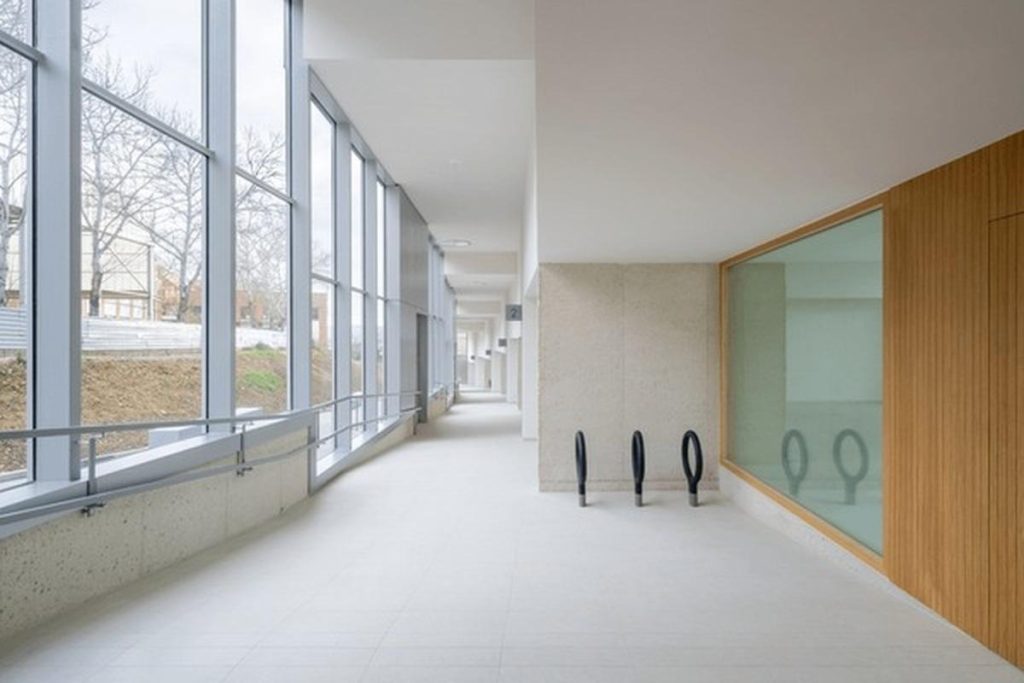
1. Establish a Regular Cleaning Routine
Daily Dust Mopping: Your First Line of Defence
The secret to maintaining polished concrete floors starts with something surprisingly simple—daily dust mopping. Those tiny particles of dirt, sand, and grit that get tracked in on shoes act like sandpaper underfoot. Every step grinds them against your floor’s surface, gradually dulling that beautiful shine you paid good money for.
A quick once-over with a microfibre dust mop takes just minutes but makes a massive difference. Make it part of your morning or evening routine, especially in high-traffic areas like entryways and hallways. In commercial spaces, this might need to happen several times throughout the day.
Weekly Wet Mopping: Getting the Technique Right
Once a week, your floors deserve a proper wet mop. But here’s where many people go wrong—they use too much water or the wrong cleaning products. Polished concrete prefers a damp mop rather than a soaking wet one. Excess water can leave streaks and potentially seep into any tiny imperfections in the surface.
Use a pH-neutral cleaner specifically designed for polished concrete. Avoid anything acidic or ammonia-based, as these can damage the sealer and etch the concrete surface over time. A good rule of thumb? If you wouldn’t put it on your skin, don’t put it on your polished concrete!
2. Address Spills and Stains Immediately
Why Quick Action Prevents Permanent Damage
When something spills on polished concrete, the clock starts ticking. While sealed polished concrete has good stain resistance, it’s not completely impervious. The longer a spill sits, the more likely it is to penetrate the sealer and leave a lasting mark.
This is particularly important in Australian conditions where we often entertain outdoors and bring things inside—think red wine from barbecues, coffee spills during morning rushes, or oil drips from the garage. The moment you notice a spill, grab a clean cloth and blot it up. Don’t rub, as this can spread the stain.
How Do You Remove Stains from Polished Concrete?
So, does polished concrete stain easily? Not really, but it’s not bulletproof either. For fresh spills, warm water and a pH-neutral cleaner usually do the trick. For stubborn stains, you might need a poultice made from baking soda and water. Apply it to the stain, cover with plastic wrap, and leave overnight.
Common culprits in Australian homes include red wine, coffee, citrus juices, and oils. In commercial settings, think about grease, chemicals, and food substances. Each requires a slightly different approach, but the golden rule remains—act fast and clean gently.
3. Protect Your Floors from Scratches and Wear
Using Furniture Pads and Protective Mats
Can you scratch polished concrete? Absolutely. Despite its tough reputation, polished concrete can be scratched by furniture legs, dropped objects, and heavy items being dragged across the surface. Prevention is far easier than repair.
Invest in quality felt pads for all furniture legs—chairs, tables, sofas, everything. Replace these pads regularly as they wear down and collect grit. At entry points, use mats to trap dirt and debris before it reaches your floors. Just make sure these mats have non-slip, non-staining backings.
Managing Foot Traffic in High-Use Areas
In commercial and industrial spaces, managing foot traffic becomes even more critical. Consider placing walk-off mats at all entrances—ideally long enough for people to take several steps before reaching the polished concrete. This captures most of the dirt and moisture from shoes.

For areas with extremely heavy traffic or where equipment is moved regularly, consider using protective floor coverings or designating specific pathways. Best practices for commercial spaces include implementing cleaning schedules that increase during peak usage periods and training staff on proper floor care.
4. Reseal Your Polished Concrete Periodically
How Often Should Polished Concrete Be Resealed?
Your polished concrete’s sealer is its protective shield against stains, moisture, and wear. But like any protective coating, it doesn’t last forever. Generally, residential floors need resealing every two to three years, while commercial spaces might require it annually due to heavier use.
However, these are just guidelines. The actual frequency depends on traffic levels, cleaning methods used, and the type of sealer originally applied. Some high-performance sealers last longer, while others might need more frequent attention.
Signs Your Floor Needs Resealing
Keep an eye out for these telltale signs: water no longer beads on the surface, the floor looks duller despite regular cleaning, or you notice increased staining. If water soaks into the concrete rather than sitting on top, your sealer has worn through and it’s definitely time for reapplication.
When it comes to DIY resealing versus hiring a professional, consider your confidence level and the floor’s condition. Small residential areas might be manageable as a weekend project, but larger spaces or floors needing repair work benefit from professional expertise. What is the best sealer for polished concrete? That depends on your specific floor and usage, so consulting a specialist is always worthwhile.
5. Schedule Professional Maintenance When Needed
When to Call in the Experts
Even with diligent care, there comes a time when professional help is the smart choice. Deep scratches, stubborn stains that won’t budge, or a generally lacklustre appearance despite your best efforts all signal it’s time to call in the cavalry.
Professional polished concrete maintenance involves more than just cleaning. Experts use industrial equipment to re-polish the surface, removing fine scratches and restoring that mirror-like finish. They can also assess the concrete’s condition and address any underlying issues before they become major problems.
How Long Does Polished Concrete Last with Proper Care?
With appropriate maintenance, polished concrete can last decades—we’re talking 20 years or more before needing significant restoration. It’s one of the most durable flooring options available, which makes the investment worthwhile.
Finding a reputable concrete specialist in Australia means looking for experience, reviews, and proper licensing. Ask for references and examples of previous work. A quality professional will happily explain their process and provide a detailed quote before starting any work.
Keeping Your Polished Concrete Looking Its Best for Years to Come
Maintaining polished concrete floors isn’t complicated, but it does require consistency and the right approach. By establishing a regular cleaning routine, addressing spills promptly, protecting against scratches, resealing when needed, and knowing when to call professionals, you’ll keep your floors looking stunning for decades.
The beauty of polished concrete lies in its combination of durability and elegance. With just a bit of regular attention, these floors reward you with a surface that’s both practical and visually impressive. Whether in your home or business, well-maintained polished concrete makes a statement.
So grab that dust mop, check your furniture pads, and give your floors the care they deserve. Your polished concrete will thank you by continuing to shine brightly, impressing visitors and making your space look absolutely brilliant for many years to come. Happy cleaning!