
Ever wondered what it takes to get your home ready for electric vehicle charging? Are you thinking about making the switch to an EV but feeling overwhelmed by the installation process? You’re definitely not alone in this.
Getting your EV charger installation right matters more than you might think. A properly installed charging point means faster, safer charging and fewer headaches down the track. On the other hand, a rushed or poorly planned installation can lead to electrical issues, wasted money, and even safety hazards. The good news? With the right preparation, the whole process can be surprisingly straightforward.
In this guide, we’ll walk you through the top five tips for a successful EV charger installation melbourne. You’ll learn how to choose the right charger for your needs, find a qualified installer, assess your home’s electrical capacity, plan the perfect location, and navigate permits and incentives. Plus, we’ll cover common mistakes to avoid and answer some frequently asked questions. Let’s get stuck into it.
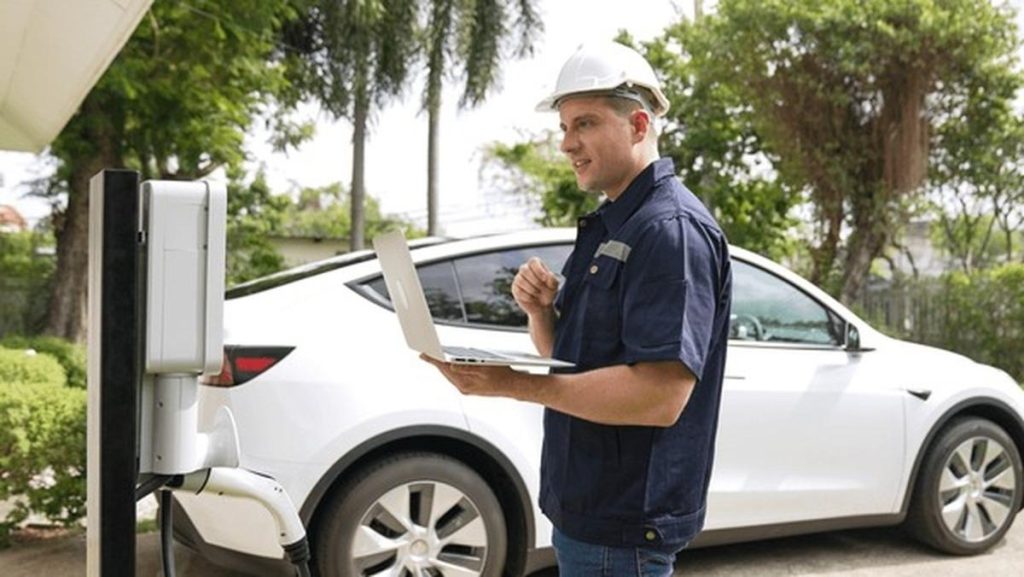
1. Choose the Right EV Charger for Your Needs
Understanding the Different Types of EV Chargers
Not all EV chargers are created equal. The main distinction you’ll encounter is between Level 1 and Level 2 chargers. Level 1 chargers use a standard household outlet and are painfully slow—we’re talking 8-20 hours for a full charge. Level 2 chargers, which require dedicated installation, can fully charge most vehicles in 4-8 hours.
You’ll also come across single-phase and three-phase charging options. Most Australian homes run on single-phase power, which suits chargers up to around 7kW. Three-phase power, more common in newer homes and commercial properties, supports faster charging speeds up to 22kW.
How Do I Know What Size EV Charger I Need?
The size you need depends on your vehicle’s onboard charger capacity and your daily driving habits. If you’re commuting short distances, a 7kW single-phase charger will likely do the job perfectly. However, if you’re covering significant kilometres daily or have a vehicle that supports faster charging, investing in a more powerful unit makes sense.
Smart Chargers vs Standard Chargers: Which Is Worth the Investment?
Smart chargers connect to your home WiFi and offer features like scheduled charging, energy monitoring, and integration with solar panels. While they cost more upfront, they can save you money by charging during off-peak tariff periods. For most homeowners, the extra investment pays off within a few years.
2. Find a Qualified and Accredited Installer
Why You Should Never DIY Your EV Charger Installation
Let’s be clear—EV charger installation isn’t a weekend project. It involves working with high-voltage electrical systems that can be dangerous if handled incorrectly. Beyond safety concerns, DIY installation will void your warranty and likely breach Australian electrical regulations.
What Qualifications Should an EV Charger Installer Have?
Your installer should hold a current electrical licence and specific EV charging qualifications. Look for installers accredited by bodies like the Electric Vehicle Council or certified by charger manufacturers. These accreditations confirm they’ve received proper training and follow industry best practices.
Questions to Ask Before Hiring an Installer
Before signing anything, ask about their experience with your specific charger brand. Check whether the quote includes all materials and labour. Clarify the warranty terms and what aftercare support they provide. A reputable installer will happily answer these questions without hesitation.
3. Assess Your Home’s Electrical Capacity
Can My Home Electrical System Handle an EV Charger?
This is a question many homeowners overlook until it’s too late. Your home’s electrical system has a maximum capacity, and adding an EV charger draws significant power. A qualified electrician can assess whether your current setup can handle the additional load.
Do I Need to Upgrade My Switchboard for EV Charging?
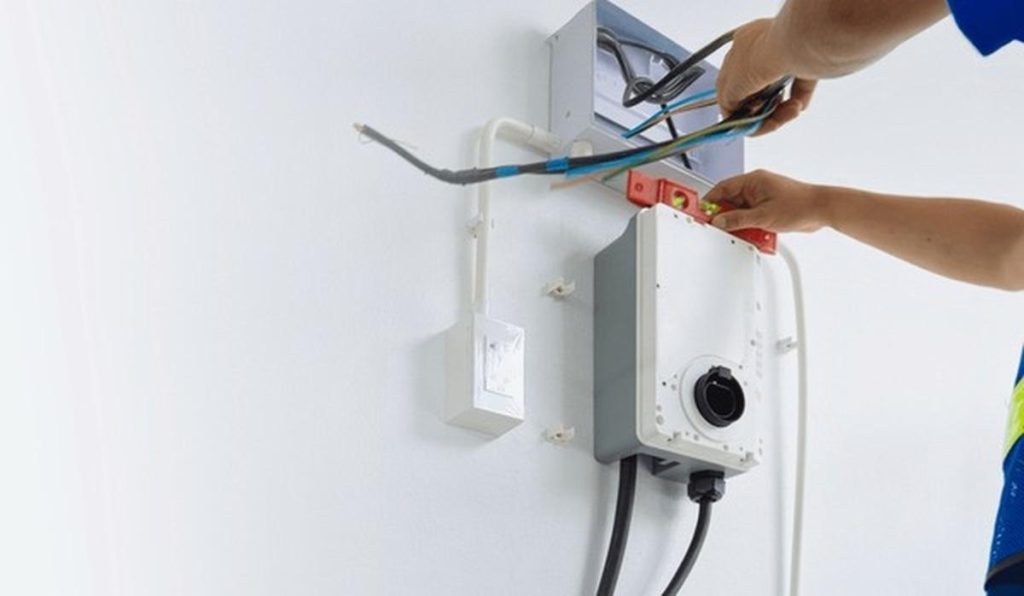
Older homes often have outdated switchboards that can’t safely accommodate modern EV chargers. If your switchboard still uses ceramic fuses or lacks a safety switch, an upgrade is essential. This adds to the overall cost but ensures your entire electrical system meets current safety standards.
Understanding Load Management and Why It Matters
Load management systems monitor your home’s total electricity usage and adjust charging speed to prevent overloading your electrical supply. This technology is particularly valuable if upgrading your main supply isn’t practical or would be prohibitively expensive.
What Happens If My Electrical System Isn’t Compatible?
If your system can’t handle an EV charger, you have options. These include upgrading your main supply, installing load management devices, or choosing a lower-powered charger. Your installer can recommend the most cost-effective solution for your situation.
4. Plan the Ideal Charger Location
Where Is the Best Place to Install an EV Charger?
The ideal location balances convenience with practical considerations. Most people install chargers in their garage or carport, close to where they park. Think about where your vehicle’s charging port sits—you want the cable to reach comfortably without stretching.
Indoor vs Outdoor Installation: Pros and Cons
Indoor installations offer protection from weather and potential tampering. However, outdoor units work perfectly well when properly rated for the conditions. All quality outdoor chargers carry appropriate IP ratings for weather resistance.
Cable Length and Accessibility Considerations
Consider how far you’ll need to stretch the charging cable. Shorter cable runs are cheaper and more efficient. Also think about accessibility—you don’t want to be squeezing past obstacles every time you plug in.
Weatherproofing and Safety Requirements
Outdoor installations must meet specific safety requirements. Your charger needs adequate protection from rain, direct sunlight, and temperature extremes. Professional installers understand these requirements and will confirm your setup complies with all relevant standards.
5. Understand Permits, Regulations and Incentives
Do I Need Council Approval to Install an EV Charger?
For standard residential installations, council approval typically isn’t required. However, if your installation involves significant electrical work or affects the streetscape, you may need permits. Your installer should advise you on local requirements.
Australian Standards and Compliance Requirements
All EV charger installations must comply with Australian Standards, particularly AS/NZS 3000 (Wiring Rules). This isn’t optional—non-compliant installations can be ordered to be removed and may affect your home insurance coverage.
Are There Government Rebates for EV Charger Installation?
Several state governments offer rebates for EV charger installation melbourne. Victoria, New South Wales, and Queensland have all run incentive programs. These rebates can significantly reduce your upfront costs, so check what’s currently available in your area before proceeding.
Strata and Body Corporate Considerations for Unit Owners
If you live in an apartment or townhouse complex, installing a charger involves additional steps. You’ll typically need body corporate approval and may need to address concerns about shared electricity costs. Some states have introduced legislation making it easier for unit owners to install chargers.
Common EV Charger Installation Mistakes to Avoid
Underestimating Installation Costs
Many people budget only for the charger unit and get caught out by installation expenses. Always get detailed quotes that include potential switchboard upgrades, cable runs, and any necessary permits.
Ignoring Future-Proofing Options
Technology evolves quickly. Installing a higher-capacity connection now, even if you don’t immediately need it, can save significant money if you upgrade your vehicle later or add a second EV to the household.
Choosing Price Over Quality
A cheap charger or cut-rate installer might seem appealing, but reliability matters when you depend on your car daily. Invest in quality equipment and professional installation—you’ll thank yourself later.
Your Next Steps Towards Hassle-Free EV Charging
Installing an EV charger at home is one of the best decisions you can make as an electric vehicle owner. It transforms the charging experience from a chore into something you barely think about—just plug in when you get home and wake up to a full battery.
The key takeaways are simple: choose a charger that matches your needs, hire a qualified installer, confirm your electrical system can handle the load, plan your location carefully, and understand the regulatory requirements. Taking time to get these elements right prevents frustration and unexpected costs.
Ready to move forward? Start by getting quotes from accredited installers in your area. Ask plenty of questions, compare options, and don’t rush the decision. Your future self—enjoying convenient, reliable home charging—will appreciate the effort you put in today. Happy charging!