
Ever wondered what separates a good glass replacement job from a truly exceptional one? Have you noticed how modern buildings demand increasingly complex glazing solutions? And what about those tricky heritage windows that require specialist knowledge to restore properly?
Glass replacement has come a long way from simple pane swaps. Today’s professionals face a diverse range of challenges, from curved architectural features to high-performance energy-efficient units. The Australian construction industry continues to evolve, and glaziers must keep pace with new technologies, safety standards, and installation methods.
In this comprehensive guide, we’ll explore the advanced techniques that set professional glass installers apart. You’ll discover the essential tools needed for complex jobs, learn precision cutting methods for irregular shapes, and understand the nuances of working with specialist glass types. Whether you’re dealing with commercial shopfronts, residential balustrades, or heritage restorations, this article covers the knowledge you need to deliver outstanding results every time.
Essential Tools and Equipment for Professional Glass Replacement
Must-Have Tools for Complex Installations
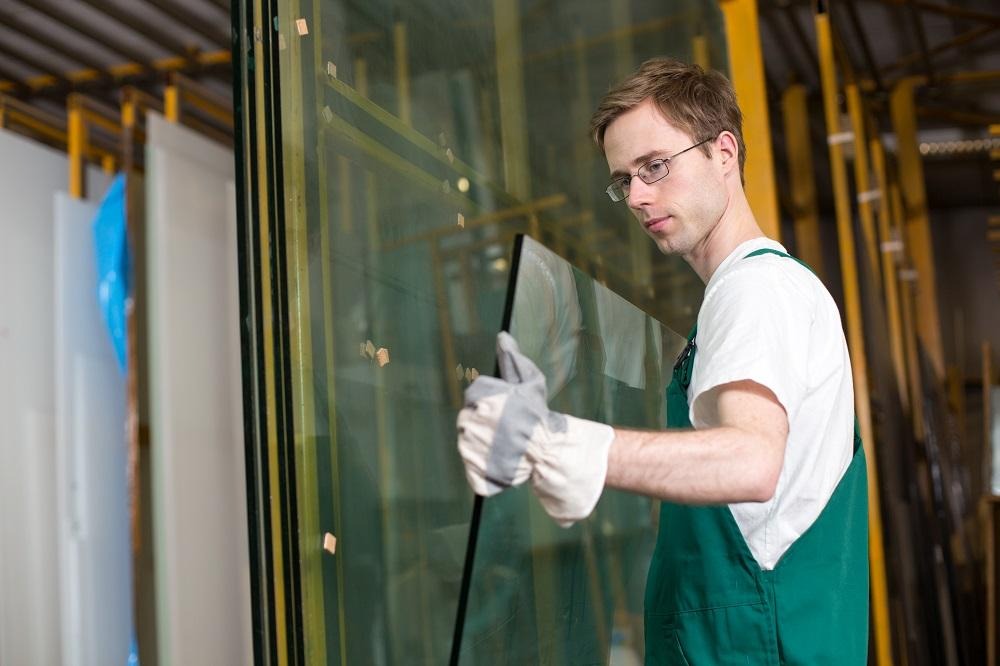
Professional glass replacement requires more than basic hand tools. Modern glaziers rely on specialised equipment including glass lifting devices, precision cutting tables, and advanced measuring instruments. Laser levels and digital measuring tools have become indispensable for achieving accurate fits.
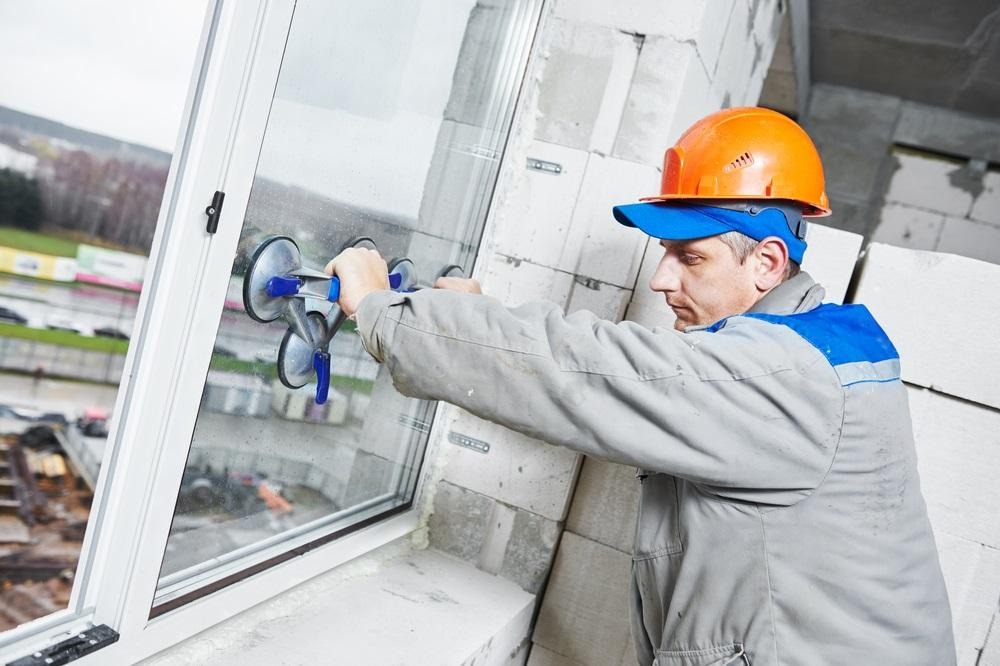
Suction cup lifters rated for heavy loads are essential when handling large panels. Quality glazing bars, setting blocks, and professional-grade sealants round out the toolkit. Investing in premium equipment pays dividends through faster installations and fewer costly mistakes.
How Do Professionals Cut Glass Without Breaking It?
The secret lies in proper scoring technique and quality cutting wheels. Professionals use oil-filled glass cutters that create clean, consistent score lines. The key is maintaining even pressure throughout the cut, neither too heavy nor too light.
After scoring, controlled pressure along the score line creates a clean break. For thicker glass, running pliers or breaking bars help direct the break precisely. Temperature control matters too—cold glass becomes brittle and unpredictable.
Safety Equipment and Industry Standards
Personal protective equipment isn’t optional in glass work. Cut-resistant gloves, safety glasses, and steel-capped boots are minimum requirements. When working at heights, harnesses and secure scaffolding become critical.
Australian standards mandate specific safety protocols for glass handling. Work Safe guidelines outline proper lifting techniques and team handling procedures for large panels. Regular equipment inspections and maintenance schedules keep everyone protected on site.
Advanced Cutting and Shaping Techniques
Precision Cutting Methods for Irregular Shapes
Irregular shapes demand careful template creation and steady hands. Professional glaziers use cardboard or thin plywood templates to map complex curves accurately. These templates transfer directly onto the glass surface for precise marking.
Curved cuts require specialised tools like band saws with diamond blades or CNC cutting machines for intricate patterns. Hand-finishing with grinding and polishing equipment creates smooth, safe edges. Patience proves essential—rushing complex cuts leads to expensive breakage.
What Is the Best Way to Cut Thick Glass Professionally?
Thick glass above 10mm requires different approaches than standard window panes. Multiple scoring passes with increased cutter pressure help penetrate deeper into the material. Some professionals prefer dedicated thick-glass cutting wheels with more aggressive angles.
Water-cooled cutting tables prevent heat buildup that can cause unexpected fractures. For extremely thick architectural glass, waterjet cutting offers the most precise results. This technology handles virtually any thickness while producing smooth, finished edges.
Working with Tempered vs Laminated Glass
Tempered glass cannot be cut after manufacturing—it shatters into small pieces upon any cutting attempt. All sizing must happen before the tempering process. This means accurate measurements are absolutely critical.
Laminated glass presents different challenges. The interlayer requires specialised techniques to cut cleanly through both glass layers and the bonding material. Sharp utility knives or heated cutting tools help separate the plastic interlayer after the glass scores are made.
Specialist Glass Types and Their Replacement Challenges
Double-Glazed Units: Techniques for Seamless Replacement
Double-glazed unit replacement demands careful attention to seal integrity. Removing the old unit without damaging the frame requires patience and the right tools. Glazing shovels and putty removers help extract units cleanly.
New units must match exact dimensions to maintain thermal performance. Proper setting blocks position the unit correctly within the frame. Fresh sealants and glazing beads complete the installation while ensuring weather-tightness.
How Do You Replace Glass in Heritage Windows?
Heritage windows require sympathetic restoration techniques that preserve original character. Traditional putty glazing methods often suit these applications better than modern systems. Matching glass thickness and style maintains historical authenticity.
Original glass frequently has imperfections that add character—replacing with perfectly uniform modern glass can look jarring. Specialist suppliers offer heritage-style glass that replicates traditional manufacturing characteristics. Working with heritage consultants ensures compliance with conservation requirements.
Curved and Custom Glass Installations
Curved glass installations test even experienced professionals. These panels require custom-manufactured units and precise template work. Flexible gaskets and specialised framing systems accommodate the curves.
Installation sequences matter greatly—curved panels often have only one correct positioning approach. Multiple installers working in coordination ensure safe handling of these awkward shapes. Premium sealants with flexibility accommodate ongoing movement without compromising the seal.
Commercial Glass Replacement Solutions
Shopfront and Façade Glass Replacement
Commercial shopfront work involves substantial panel sizes and public safety considerations. Traffic management and site security become primary concerns during installation. Out-of-hours work often minimises disruption to trading businesses.
Temporary hoarding protects pedestrians while providing security. Heavy-duty lifting equipment—including glazing robots for large panels—makes handling safer and more efficient. Coordination with building managers ensures smooth access and proper waste disposal.
What Are the Regulations for Commercial Glass Installation in Australia?
Australian Standard AS 1288 governs glass selection and installation requirements. This standard specifies minimum thicknesses, safety glass requirements, and installation methods for various applications. Human impact zones demand toughened or laminated safety glass.
Building codes also influence glass selection based on wind loads, thermal performance, and energy ratings. Commercial installations typically require certification from qualified assessors. Maintaining detailed documentation proves essential for compliance verification.
High-Rise Building Considerations
Working at height introduces significant complexity. Rope access techniques or suspended platforms provide access to façade glazing. Strict safety protocols govern every aspect of elevated glass work.
Wind conditions dramatically affect high-rise installations. Calm weather windows become precious opportunities for panel replacement. Engineering calculations determine safe wind speed limits for specific panel sizes and installation methods.
Residential Glass Replacement Best Practices
Window Glass Replacement Without Frame Damage
Careful glazing removal protects existing frames from damage. Heat guns soften old putty for easier removal. Patience prevents costly frame repairs that could double job time.
Quality preparation makes installation straightforward. Clean rebates and primed surfaces ensure proper sealant adhesion. Taking time at the preparation stage creates lasting, weather-tight results.
Sliding Door and Balustrade Glass Techniques
Sliding door glass replacement often involves removing entire door panels for bench work. Balustrade installations demand precise compliance with safety standards regarding glass thickness and fixing methods.
Structural connections require engineering certification for balustrade work. Proper edge protection and polished finishes prevent injuries. Regular inspection routines help identify potential issues before failures occur.
Energy-Efficient Glass Replacement Options
Low-E Glass Installation Techniques
Low-emissivity coatings require careful handling to avoid damage. The coated surface must face the correct direction—typically towards the building interior in Australian climates. Incorrect orientation significantly reduces performance benefits.
Cleaning methods differ from standard glass care. Harsh chemicals can damage delicate coatings. Following manufacturer guidelines protects the investment in premium glazing.
Can You Upgrade Single-Glazed Windows to Double-Glazed?
Retrofitting double glazing into existing frames is often possible. Slimline units designed for renovation projects fit narrower rebates than standard double-glazed panels. Frame modifications may extend possibilities further.
Secondary glazing offers an alternative where full replacement proves impractical. These systems add an additional glazing layer inside existing windows. Both approaches deliver meaningful energy savings and comfort improvements.
Safety and Compliance for Glass Professionals
Australian Standards provide the framework for safe, compliant installations. AS 1288, AS 2047, and relevant building codes set minimum requirements. Staying current with standard updates ensures ongoing compliance.
Working safely at heights requires specific training and certification. Height safety equipment must meet Australian standards and undergo regular inspection. Comprehensive risk assessments identify hazards before work commences.
Staying Ahead in the Glass Replacement Industry
The glass replacement industry continues evolving rapidly. New products, changing regulations, and advancing installation techniques demand ongoing professional development. Those who invest in learning stay competitive in this dynamic trade.
Building strong supplier relationships provides access to specialist products and technical support. Industry associations offer training opportunities and networking connections. Embracing new technologies—from digital measuring tools to advanced lifting equipment—improves efficiency and safety.
Your reputation rests on every installation you complete. Attention to detail, proper technique, and genuine care for quality outcomes build lasting client relationships. Whether tackling complex commercial projects or straightforward residential repairs, applying advanced techniques consistently delivers results that speak for themselves. Keep learning, stay safe, and take pride in your craftsmanship—that’s what truly sets professionals apart in this industry.