
Have you ever walked into your bathroom and noticed a musty smell that just won’t shift? Or perhaps you’ve spotted mysterious damp patches creeping across your walls? Maybe you’re planning a renovation and wondering what actually goes into protecting your home from water damage?
Waterproofing might not be the most glamorous topic, but it’s absolutely vital for Australian homeowners. Our climate throws everything at our homes – from tropical downpours in the north to heavy winter rains in the south. Without proper waterproofing, you’re leaving your biggest investment vulnerable to serious structural damage, mould growth, and costly repairs down the track.
In this guide, we’ll walk you through everything you need to know about residential waterproofing checks. You’ll learn how to spot warning signs early, what to look for in a contractor, and the critical checkpoints that make the difference between a job well done and a future headache. Whether you’re building new, renovating, or simply maintaining your current home, these insights will help you make informed decisions and protect your property for years to come.
Understanding Residential Waterproofing Basics
Residential waterproofing is essentially creating barriers that prevent water from penetrating your home’s structure. It’s not just about keeping the rain out – it’s about managing moisture in all its forms, from groundwater seeping through foundations to steam from your morning shower.
In Australian homes, several areas demand waterproofing attention. Bathrooms and wet areas top the list, but don’t overlook balconies, laundries, basements, and retaining walls. Even your roof and external walls play a role in your home’s overall moisture management system.
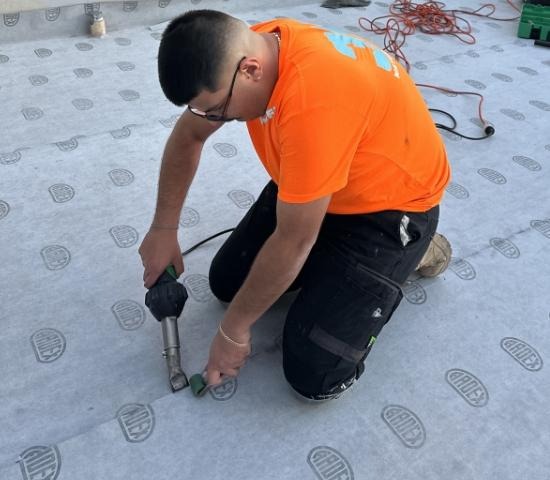
The waterproofing systems available vary widely. Liquid membranes are painted or sprayed onto surfaces and cure to form a flexible, seamless barrier. Sheet membranes come pre-manufactured and are adhered to substrates. Cementitious coatings work well for concrete surfaces, while polyurethane and epoxy options offer excellent durability for high-traffic areas. Your choice depends on the specific application, budget, and environmental conditions.
Signs Your Home Needs Waterproofing
How Do I Know If My House Has a Waterproofing Problem?
Spotting waterproofing issues early can save you thousands. Look for peeling paint, bubbling wallpaper, or discolouration on walls and ceilings. Efflorescence – those white, chalky deposits on masonry – indicates water is moving through your walls and depositing mineral salts.
Visible warning signs also include cracked or lifting tiles in wet areas, grout that’s constantly discoloured or crumbling, and timber that feels soft or spongy. Water stains around windows and doors suggest failed seals, while puddles that form on balconies rather than draining away point to membrane failures.
Hidden moisture issues require more detective work. A musty odour that persists despite cleaning often indicates mould growing behind walls or under floors. Rising damp shows up as tide marks on lower walls. Consider investing in a moisture meter – these affordable tools help you detect dampness before visible damage appears. Professional building inspectors use thermal imaging to identify moisture trapped within structures, which can be worth the investment for older properties.
Pre-Project Checks Before Waterproofing Begins
Before any waterproofing work starts, a thorough assessment of your property’s current condition is non-negotiable. This means examining existing waterproofing for deterioration, checking structural integrity, and identifying any areas where water has already caused damage that needs repair first.
Identifying the source of water ingress is critical. Is it coming from above (roof leaks, poor flashing), from the side (failed wall membranes, window seals), or from below (rising damp, groundwater pressure)? The solution must match the problem – applying a membrane to a wall won’t help if water’s actually coming through your roof.
Australian Building Codes and Standards set minimum requirements for waterproofing, particularly AS 3740 for wet areas. These standards specify membrane requirements, bond breakers, and testing procedures. Make sure any contractor you engage understands and follows these requirements, as non-compliant work can void insurance and create legal headaches when selling your property.
Choosing the Right Waterproofing Contractor
What Should I Look for in a Waterproofing Company?
Finding the right contractor makes all the difference between waterproofing that lasts decades and work that fails within years. Start by checking their experience with your specific type of project – basement waterproofing requires different expertise than bathroom renovations.
Ask potential contractors plenty of questions. How long have they been operating? Can they provide references from similar projects? What products do they use and why? What’s their process for surface preparation? How do they test their work? A good contractor welcomes these questions and provides clear, detailed answers.
Verifying licences, insurance, and warranties protects you from dodgy operators. In Australia, waterproofing work typically requires a builder’s licence or specialist waterproofing licence depending on your state. Request copies of public liability insurance and workers’ compensation coverage. Get warranty details in writing – reputable companies stand behind their work with guarantees of at least seven to ten years.
Key Checks During the Waterproofing Process
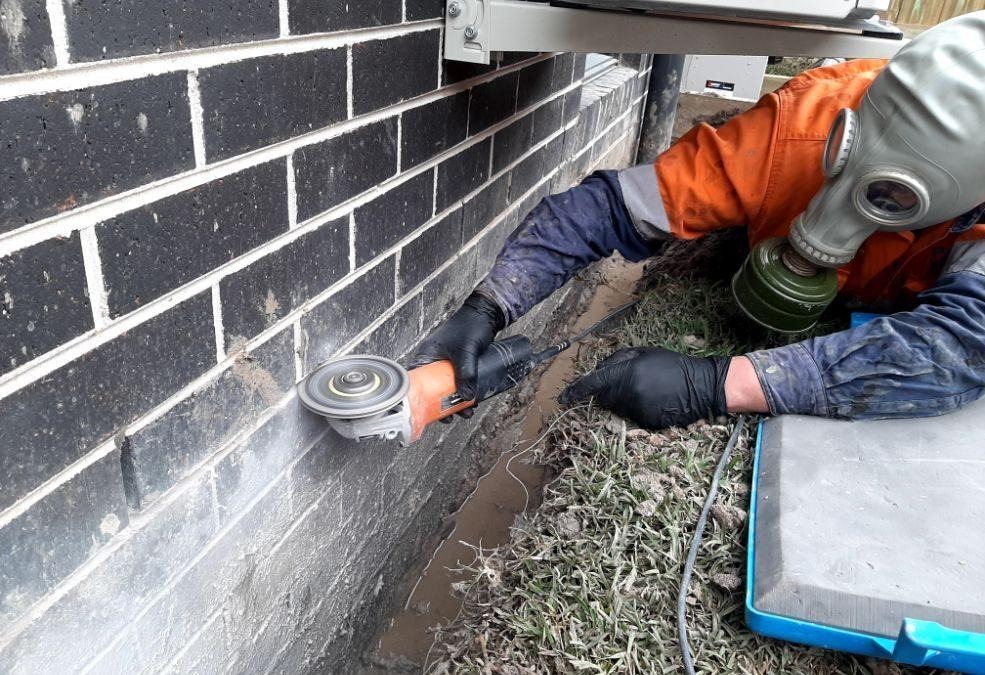
Surface preparation determines whether your waterproofing succeeds or fails. The substrate must be clean, dry, and free from loose material. Cracks need filling, and surfaces often require priming. Corners and junctions need special attention with bond breakers and reinforcing tape. Never let a contractor rush this stage.
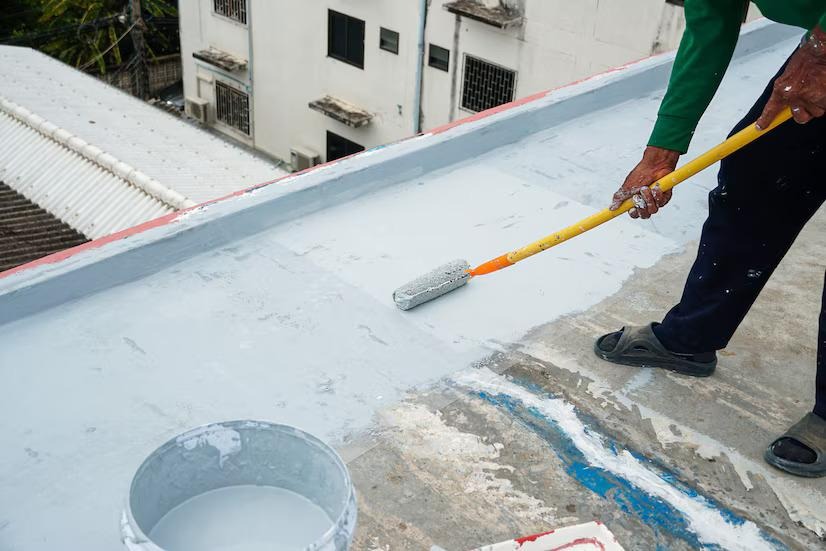
Membrane application requires precision. Watch for even coverage without thin spots, pinholes, or bubbles. Most liquid membranes need multiple coats with proper drying time between applications. The total dry film thickness matters – typically 1.5mm minimum for wet areas – and should be verified with a thickness gauge.
Quality control checkpoints you shouldn’t skip include checking that membranes extend the required height up walls (usually 150mm minimum, higher in shower areas), that all penetrations are properly sealed, and that falls direct water toward drains. Document everything with photos – they’re invaluable if issues arise later.
Bathroom and Wet Area Waterproofing Essentials
Do All Bathrooms Need to Be Waterproofed?
Yes, Australian standards require waterproofing in all bathrooms, ensuites, and laundries. The regulations specify exactly which surfaces must be waterproofed and to what extent. Shower areas have the strictest requirements, with membranes extending from floor to ceiling in enclosed showers.
Critical areas include shower floors and walls, the junction between walls and floors, around drains and waste outlets, and any hob or step-down thresholds. These junctions experience the most movement and water exposure, making them common failure points.
Common bathroom waterproofing mistakes include applying membranes to damp substrates, not allowing adequate curing time before tiling, using incompatible products, and cutting corners on heights and overlaps. Another frequent error is tiling before flood testing, which means failures only become apparent once water damage has already occurred behind finished surfaces.
Balcony and Outdoor Area Waterproofing
Why Do Balconies Fail and How Can You Prevent It?
Balconies represent some of the trickiest waterproofing challenges. They’re exposed to weather extremes, experience thermal movement, and often have complex junctions with internal spaces. Failures typically stem from inadequate falls, poor detailing at thresholds and balustrades, or membrane degradation from UV exposure.
Prevention starts with proper design. Falls should be minimum 1:100 toward drainage points. Thresholds need careful detailing with appropriate step-downs and flashings. The membrane must be UV-stable and able to handle movement without cracking.
For decks and terraces, waterproofing checks should verify that drainage outlets are correctly positioned and sized, that membrane turn-ups at walls and columns are adequate, and that any tiles or pavers allow water to reach the membrane below. Regular inspections are particularly important for these exposed areas.
Post-Project Inspections and Testing
How Long Does Waterproofing Take to Cure?
Curing times vary by product and conditions. Liquid membranes typically need 24 to 72 hours between coats and several days to fully cure before tiling. Temperature, humidity, and ventilation affect curing – cold or damp conditions slow the process considerably.
Flood testing is your quality assurance procedure. This involves blocking drains and filling the area with water to a specified depth (usually 25mm minimum) for 24 hours. Any drop in water level indicates a leak that must be found and repaired before work continues.
Documentation and compliance certificates protect your investment. Insist on a waterproofing certificate that details products used, areas covered, application dates, and test results. Keep this with your property records – you’ll need it for warranty claims, insurance purposes, or when selling your home.
Waterproofing Costs and Budgeting
How Much Does Waterproofing Cost in Australia?
Costs vary significantly based on project scope and complexity. Bathroom waterproofing typically runs between, while balconies might cost per square metre. Basement waterproofing is more expensive, often or more depending on the method required.
Factors affecting pricing include the condition of existing surfaces, accessibility, product quality, and your location. Urban areas typically command higher rates than regional areas. Complex projects with numerous penetrations or unusual substrates cost more.
Is waterproofing worth the investment? Absolutely. Water damage repairs often run into tens of thousands of dollars, not to mention health risks from mould. Quality waterproofing protects your home’s structure, maintains property value, and provides peace of mind.
Maintenance Tips to Extend Your Waterproofing Lifespan
How Long Does Residential Waterproofing Last?
Quality waterproofing should last 10 to 25 years depending on the products used, application quality, and environmental conditions. Exposed areas like balconies typically need attention sooner than protected wet areas.
Regular inspection routines catch problems early. Check grout and sealant condition in bathrooms quarterly. Inspect balcony surfaces and drainage after heavy rains. Look for new cracks, lifting tiles, or discolouration that might indicate moisture issues.
When to call a professional for repairs? Don’t wait once you notice persistent dampness, mould growth, or structural concerns. Small membrane failures can usually be patched, but delays often mean more extensive – and expensive – repairs. Prevention truly is better than cure when it comes to residential waterproofing melbourne.
Protecting Your Home for the Long Term
Getting waterproofing right requires attention to detail at every stage – from identifying issues and choosing contractors to monitoring the work and maintaining finished systems. The checks we’ve covered aren’t just bureaucratic boxes to tick; they’re practical steps that determine whether your waterproofing protects your home for decades or fails within years.
The investment in proper waterproofing pays dividends many times over. Beyond avoiding expensive water damage repairs, you’re protecting your family’s health by preventing mould, maintaining your property’s value, and gaining peace of mind during every rainstorm. Quality waterproofing is genuinely one of the best investments you can make in your home.
Take these checks seriously whether you’re building new, renovating, or simply maintaining your current property. Ask questions, demand documentation, and don’t accept shortcuts. Your home deserves proper protection, and with the right approach, you’ll enjoy a dry, healthy living space for many years to come.